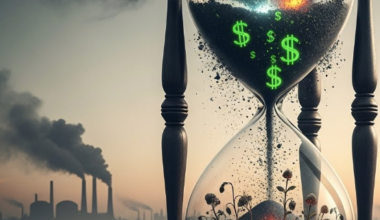
Why Your Grocery Bill Is About to Double (And What You Can Do About It)
ACTIVITY: The Food Waste Audit
Before you continue reading, go to your kitchen right now. Open your refrigerator. Look at everything in there.
Now be honest with yourself: What’s going to rot before you eat it? That bag of spinach? Those leftover containers? The vegetables you bought with good intentions?
Take out your phone. Take a picture of your fridge. Now go to your bin and look at what you threw away this week. See any food packaging? Moldy leftovers? Expired items?
Here’s the reality: The average household globally throws away 30-40% of food purchased. In wealthy countries, that’s €1,200-1,500 worth annually. In developing countries, it’s food that could feed hungry families. Either way, it’s money and nutrition literally in the garbage.
Time to complete: 3 minutes
Cost: Free (but you just discovered where hundreds of euros/pounds/dollars go every year)
What you learned: You’re literally throwing money in the bin, and global food scarcity is about to make that hurt everywhere
By 2050, feeding the world will require 56% more food than we produce today. The problem? We’re running out of farmland, water, and stable climate everywhere.
Here’s what nobody tells you about food security: The global food system is one bad season away from crisis. Three countries (USA, Brazil, Argentina) produce 80% of world’s soybeans. Four countries (Russia, USA, Canada, France) control 50% of wheat exports. Ukraine and Russia together export 30% of world’s wheat. One drought, one war, one logistics failure, and prices spike globally. We saw this in 2022 when Ukraine conflict sent food prices soaring worldwide.
And it’s already happening everywhere. Global food prices increased 30% from 2020 to 2023. They’re not coming back down. By 2050, food costs could double or triple globally, and availability will be the new luxury.
The Scarcity Reality: Food Is Running Out Faster Than Population
The Perfect Storm of Global Food Insecurity
The Numbers That Don’t Add Up:
Earth’s population will hit 9.7 billion by 2050, up from 8 billion today. That’s 1.7 billion more mouths to feed in 25 years. To feed everyone, we need 56% more food production. But here’s the problem: Crop yields are increasing at 1-2% annually while demand is growing at 2-3% annually worldwide. The gap widens every year on every continent.
Meanwhile, arable land is disappearing globally. Every year, we lose 12 million hectares of farmland to urbanization, desertification, and soil degradation. That’s an area the size of England. Gone. Annually. Across Africa, Asia, Europe, and Americas. We’re also running out of water for agriculture (which uses 70% of freshwater globally). And climate change is making everything worse with droughts from Australia to Southern Europe to Sub-Saharan Africa to Brazil, plus floods destroying crops across South Asia and East Africa.
The Scarcity Timeline:
RIGHT NOW (2026):
Currently, 828 million people face hunger globally (one in ten). Another 2.3 billion face moderate or severe food insecurity (they don’t know where their next meal comes from). Food prices are 30% higher than five years ago everywhere. And extreme weather destroyed 10% of harvests in major breadbasket regions last year alone from India to Europe to North America.
Sub-Saharan Africa faces severe food insecurity affecting 300+ million people. Yemen, Afghanistan, South Sudan, Somalia experiencing famine or near-famine conditions. Even wealthy countries see food bank usage at record highs as prices outpace wages. And smallholder farmers worldwide struggle as input costs (fertilizer, fuel, seeds) have doubled while crop prices haven’t kept pace.
BY 2030:
Within four years, food demand will outpace production growth globally. Prices will continue climbing everywhere. Water scarcity will affect 40% of agricultural regions worldwide from California to Spain to India to Australia. Climate change will reduce crop yields in tropical and subtropical zones by 10-25% affecting billions. Small-scale farmers will be pushed out of business from Indonesia to West Africa to Central America. And food riots will become more common in vulnerable regions as we saw during Arab Spring.
BY 2050:
We’ll need 56% more food but have less farmland globally, less water everywhere, and more extreme weather on every continent. Ocean fish stocks will be depleted by 90% if current practices continue affecting coastal communities worldwide. Meat will become luxury good for most people globally. Fresh produce will be premium items everywhere. And the gap between food haves and have-nots will define global politics from Europe to Asia to Africa to Americas.
Translation: Food security is the new wealth globally. Those who control food production control everything.
The Value Proposition: Why Food Independence Is Your Best Investment
Food Scarcity = Food Value = Massive Opportunity Worldwide
Personal Financial Impact:
Food costs represent 10-15% of household budgets in wealthy countries, 30-60% in developing countries. These percentages are rising to 20-40% in wealthy countries and 60-80% in poor countries by 2050 if you don’t adapt. However, households that grow even 20% of their own food save €1,000-2,000 annually in Europe, ₹20,000-40,000 in India, R10,000-20,000 in South Africa, or equivalent everywhere while eating better quality. Home gardens return €500-1,000 worth of food annually for €200-400 investment globally.
Property Value:
Homes with productive gardens or access to community gardens command 8-12% premium in real estate markets worldwide from UK to Australia to Costa Rica. Properties with water rights and growing space are appreciating faster than standard homes everywhere. Urban homes near farmers markets see property values rise faster than food desert areas globally. And rural properties with farmland are becoming investment havens from Romania to Kenya to Thailand.
Business Opportunity Globally:
The local food economy is exploding worldwide. Urban farms generating €40,000-160,000 per acre annually from Singapore to Berlin to Nairobi. Farmers markets growing 300% globally in past 20 years. Farm-to-table restaurants commanding premium pricing everywhere. Vertical farming companies raising billions globally. Food delivery apps for local produce expanding across Europe, Asia, Latin America. Regenerative agriculture practices sequestering carbon while qualifying for carbon credits creating dual revenue streams worldwide.
Health Premium:
Fresh, local food isn’t just tastier globally, it’s dramatically more nutritious everywhere. Vegetables lose 30-50% of nutrients within days of harvest whether in Japan or Spain. Supermarket produce averages 7-14 days old worldwide. Local food eaten within hours or days retains maximum nutrition everywhere. Health benefits translate to lower healthcare costs (estimated €1,200-2,500 annually) and better quality of life regardless of country.
The Pattern: Industrial food gets more expensive and less nutritious globally. Local food gets more valuable and healthier everywhere.
The Technology Revolution: How We’re Transforming Food Production Globally
Innovation Is Exploding Across the World Food System
1. Vertical Farming (Growing Up, Not Out)
When horizontal farmland is scarce globally, go vertical. Vertical farms stack crops in climate-controlled warehouses using 95% less water and 99% less land than traditional farming anywhere. LED lighting optimized for plant growth. Automated systems handle planting, monitoring, harvesting. Year-round production regardless of weather. And location near cities eliminates long-distance transport everywhere.
The economics are compelling globally. Per square foot, vertical farms produce 10-20 times more food than traditional farms whether in UAE, Netherlands, Japan, or Singapore. They use zero pesticides (controlled environment equals no pests globally). Water recirculates in closed loops everywhere. Companies like AeroFarms (USA), Spread (Japan), 80 Acres (USA), Infarm (Germany) scaling rapidly worldwide with billions in investment.
2. Precision Agriculture (Every Drop, Every Seed Counts)
Technology is revolutionizing traditional farming globally. Soil sensors tell farmers exactly when crops need water and nutrients from Brazil to India. Drones monitor crop health identifying problems before visible to human eye across Africa and Asia. AI predicts optimal planting and harvest times worldwide. GPS-guided tractors plant with millimeter precision everywhere. And data analytics optimize every decision globally.
Results are dramatic worldwide. Farmers using precision agriculture see 20-30% yield increases globally. Water use drops 40-60% everywhere. Fertilizer use reduces 30-40% saving costs while reducing runoff pollution worldwide. Farmers make €80-250 more profit per hectare regardless of location. And the technology pays for itself in 2-3 years globally. Precision agriculture is now €10 billion global market growing 15% annually.
3. Alternative Proteins (Meat Without Animals)
Livestock production uses 77% of agricultural land globally but produces only 18% of calories. It’s wildly inefficient everywhere. Enter alternative proteins: Plant-based meats that taste like real meat (Impossible, Beyond Meat). Lab-grown meat from cell cultures (no animals harmed). Insect protein (highest protein per resource input). Fungi-based proteins (mycoprotein). Precision fermentation creating dairy proteins without cows. All scaling globally.
The market is exploding worldwide. Alternative protein sales growing 50% annually globally. Costs dropping toward price parity with conventional meat everywhere. Major fast food chains adding plant-based options from McDonald’s to KFC globally. Investment exceeding $5 billion annually worldwide. And cultivated meat expected at price parity by 2030. Israel, Singapore, Netherlands leading innovation globally with others following.
4. Regenerative Agriculture (Building Soil, Not Depleting It)
Industrial agriculture degrades soil globally, requiring more inputs each year everywhere. Regenerative agriculture rebuilds soil, increasing productivity while sequestering carbon worldwide. Practices include cover cropping, crop rotation, no-till farming, holistic grazing, and composting. These methods work identically in France, Argentina, Kenya, or Australia.
The benefits compound over time everywhere. Regenerative farms see 10-20% yield increases after 3-5 years globally. Input costs drop 25-40% as soil health improves worldwide. Carbon sequestration provides additional revenue through carbon credits everywhere. And food produced is more nutritious globally. Brands paying premiums for regeneratively grown ingredients worldwide. Government incentives growing as climate benefits recognized everywhere.
5. Indoor Aquaponics (Fish Plus Plants Equals Perfect System)
Aquaponics combines fish farming with plant growing in closed-loop system. Fish waste provides nutrients for plants. Plants filter water for fish. Produces both protein (fish) and vegetables in same space. Uses 90% less water than traditional farming. No soil needed. Can operate anywhere from Singapore to Iceland to Kenya.
Small-scale home systems producing food for families cost €500-2,000 globally. Commercial operations achieving profitability on quarter-hectare lots everywhere. And the technology is proven, not experimental, operating commercially from Netherlands to Australia to South Africa to Japan.
What You Can Do: The Personal Food Security Plan
Building Your Food Independence Globally (Start This Weekend)
Phase 1: Reduce Waste (Immediate €1,200 Annual Savings)
Start by stopping the bleeding everywhere. Audit your fridge weekly before shopping. Meal plan for the week so you buy only what you’ll use. Learn proper food storage (works same globally). Embrace “ugly” produce (tastes identical, costs 30-50% less worldwide). Compost scraps (turns waste into garden gold everywhere). Batch cook to use everything before it spoils.
These habit changes cost nothing and save average household €1,200 annually whether in UK, Australia, Poland, or Mexico. That’s pure profit back in your pocket, immediately, anywhere.
Phase 2: Start Growing Something (Investment: €50-500, Return: €500-1,500 Annually)
You don’t need a farm anywhere in the world. Start with herbs on a windowsill (investment: €20, saves €150-200 annually globally). Add containers on patio or balcony growing tomatoes, peppers, lettuce (€100 investment, €300-400 return anywhere). If you have yard space, create 1×2 meter raised beds producing €800-1,200 of vegetables annually for €250 investment worldwide.
Focus on high-value crops everywhere: Herbs, tomatoes, peppers, lettuce, kale, chard, beans. These are expensive at grocery and easy to grow globally. Skip low-value crops like potatoes and corn (cheap to buy, space-intensive to grow everywhere). Even growing 20% of your food saves €1,000-2,000 annually while providing superior freshness and nutrition anywhere in the world.
Phase 3: Join Local Food Systems (Support Local, Save Money)
Connect with local food producers everywhere. Community Supported Agriculture (CSA) programs exist globally providing weekly produce boxes 30-50% cheaper than grocery. Support farmers markets where prices beat supermarkets on fresh, local produce worldwide. Join food co-ops where member discounts save 20-40% everywhere. And participate in community gardens gaining growing space and knowledge globally.
These connections save money while building resilience everywhere. When global supply chains hiccup, local food systems keep running whether in Germany, Japan, Brazil, or South Africa.
Phase 4: Preserve and Store (Extend Your Harvest)
Learn basic food preservation globally. Canning and pickling extend garden produce for months everywhere. Freezing preserves excess harvests worldwide. Dehydrating creates shelf-stable foods anywhere. Fermenting improves nutrition and flavor while preserving globally. Root cellaring keeps certain vegetables for months without energy input in temperate climates.
Investment in basic preservation equipment (€100-300) lets you store hundreds of euros of food anywhere. And preserved food from summer abundance feeds you through winter scarcity globally.
Expected First-Year Results Globally:
Your grocery bill drops 20-30% saving €1,200-2,500 annually anywhere. Your diet improves dramatically (fresh, local, organic-quality food everywhere). Your environmental impact decreases significantly globally. You gain practical skills increasing self-reliance anywhere. And you’ve positioned yourself for food security regardless of global market fluctuations.
The Regional Food Crisis Map: Where Hunger Is Coming
High-Risk Food Insecurity Regions:
Sub-Saharan Africa:
Population growing fastest globally while agricultural productivity stagnates. Climate change hitting hardest with droughts (Horn of Africa, Sahel) and floods destroying harvests. Soil degradation reducing yields. Conflict disrupting food systems (South Sudan, Somalia, Ethiopia). By 2050, 400 million facing severe food insecurity. Need for agricultural revolution is urgent across continent.
South Asia:
Population density meeting water scarcity creating perfect storm. India faces groundwater depletion threatening wheat and rice production. Bangladesh vulnerable to sea-level rise inundating agricultural land. Pakistan dealing with glacier melt affecting irrigation. Sri Lanka facing economic crisis affecting food imports. Region feeds 1.8 billion people, vulnerabilities growing yearly.
Middle East & North Africa:
Already importing 50% of food needs. Water scarcity worsening everywhere. Desertification expanding across region. Political instability tied to food prices (Arab Spring triggered partly by food costs). Wealthy Gulf states buying farmland in Africa for food security. Yemen, Syria, Lebanon facing severe food crises. Region’s dependence on imports creates massive vulnerability.
Small Island Nations:
Limited agricultural land globally. Vulnerable to sea-level rise and cyclones destroying crops (Pacific, Caribbean, Indian Ocean islands). Dependent on imports. Climate change threatening fisheries. Food security crisis already severe, will worsen dramatically. Migration likely as food systems fail from Tuvalu to Maldives to Marshall Islands.
Latin America:
Brazil facing deforestation threatening food production. Venezuela in food crisis from economic collapse. Central America vulnerable to drought and hurricanes. Argentina and Chile facing water stress. Haiti severe food insecurity. While region has agricultural potential, climate change and political instability create risks.
Europe:
Southern Europe (Spain, Greece, Italy, Portugal) facing water stress and heat affecting agriculture. Eastern Europe vulnerable to extreme weather. While currently food-secure, climate change threatens Mediterranean agriculture. Ukrainian conflict showed Europe’s vulnerability to supply chain disruption.
Asia-Pacific:
China facing water depletion in North China Plain. Southeast Asia vulnerable to extreme weather and sea-level rise affecting rice production. Australia’s agricultural sector stressed by recurring droughts. Pacific Islands dependent on imports facing supply chain vulnerability.
The Business Opportunity: Food Tech Is Transforming Industry Globally
Where the Money Is Flowing Worldwide:
Alternative Proteins Market:
Currently $30 billion globally, projected to reach $300 billion by 2035. Plant-based meat, cultivated meat, precision fermentation all scaling rapidly worldwide. Major food companies investing billions globally. Valuation multiples in this sector rivaling tech companies. Early investors seeing 10-20x returns as companies go public or get acquired.
Vertical Farming:
$5 billion global market growing to $20+ billion by 2030. Companies raising hundreds of millions at billion-dollar valuations worldwide. Urban agriculture solving fresh food access in cities globally while using minimal resources. Technology improving rapidly making operations profitable everywhere from Tokyo to Amsterdam to Dubai.
Precision Agriculture Technology:
€10 billion global market growing 15% annually. Farmers adopting technology rapidly worldwide as ROI proven. Sensors, drones, AI, automation all growing segments globally. Agricultural data analytics emerging as major opportunity. Carbon credit tracking for regenerative agriculture creating new revenue stream worldwide.
Local Food Infrastructure:
Farmers markets, food hubs, regional distribution, farm-to-table restaurants all booming globally. Local food economy growing 3x faster than industrial food system worldwide. Entrepreneurs building local supply chains capturing value currently going to middlemen everywhere. Customers willing to pay premium for local, fresh, sustainable food globally.
Food Waste Solutions:
€35 billion global problem becoming business opportunity worldwide. Apps connecting restaurants with surplus food to consumers at discount expanding globally. Industrial composting facilities. Food waste-to-energy systems. Packaging extending shelf life. Ugly produce companies. Smart inventory systems. Each approach capturing some of the massive waste in current system everywhere.
Your Food Security Checklist
This Month:
Audit food waste and commit to eliminating it globally. Calculate how much you’re throwing away monthly. Start meal planning and proper food storage anywhere. Research local food sources (CSA farms, farmers markets, co-ops). Plan your first garden project even if just herbs on windowsill.
This Quarter:
Start growing something edible even if small scale anywhere. Join local food network or commit to regular local market shopping. Learn one preservation method (canning, freezing, or fermenting). Build relationships with local food producers. Calculate your food savings from these changes.
This Year:
Expand growing operations to produce 20% of your food anywhere. Master two preservation methods globally. Build complete local food network. Learn enough about food systems to navigate disruptions. Teach someone else about food security creating resilience in your community.
Expected First-Year Results Globally:
Grocery costs down 20-30% anywhere. Food quality and nutrition dramatically improved everywhere. Practical skills gained for long-term resilience globally. Money saved (€1,200-2,500) reinvested or enjoyed. Peace of mind knowing you’re less dependent on fragile global system regardless of location.
The Bottom Line: Food Security Is the New Wealth Globally
The global food system is breaking. The question isn’t if, but when.
The value propositions are universal:
Food independence means immediate cost savings of €1,200-2,500 annually while eating better quality anywhere. Food technology represents $300+ billion global market opportunity creating massive investment and career possibilities worldwide. Properties with food-growing capacity command 8-12% premiums and rising globally. Local food businesses growing 3x faster than industrial food system everywhere.
The scarcity is real worldwide: 56% more food needed by 2050 while farmland, water, and climate stability decline globally. The timeline is now everywhere: Food prices up 30% already and accelerating worldwide. The opportunity is massive globally: Those who control food production control wealth in coming decades.
Your grocery bill is about to double globally. Your garden could pay significant portion of food costs anywhere.